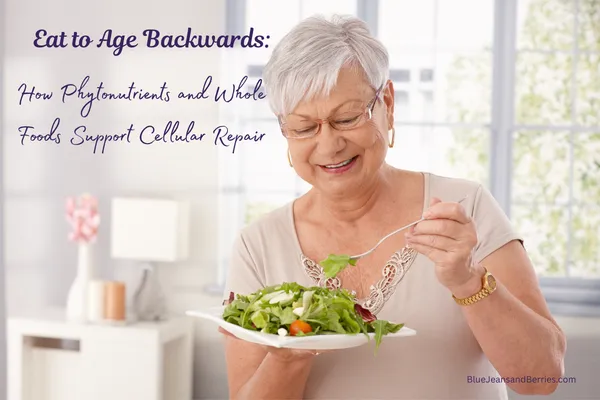
Eat to Age Backwards: How Phytonutrients and Whole Foods Support Cellular Repair
If you’ve ever searched for ways to slow aging, you’ve probably seen the same advice repeated again and again:
Eat more fruits and vegetables.
Not exactly a glamorous biohack, right?
But here’s the fascinating part… modern research keeps confirming that this simple habit may be one of the most powerful ways to support healthy aging at the cellular level.
In the world of longevity science, nutrition plays a starring role. The foods we eat influence inflammation, oxidative stress, mitochondrial health, and even how our DNA functions.
In other words, your daily meals can either accelerate aging — or help protect your cells from it.
Let’s take a look at why.
Oxidative Stress: One of the Drivers of Aging
Every day, our bodies produce molecules called free radicals.
This happens naturally through:
normal metabolism
environmental toxins
stress
poor sleep
processed foods
UV exposure
Free radicals themselves aren’t the problem. Our bodies are designed to handle them.
The issue arises when free radicals outnumber our defenses.
This imbalance creates oxidative stress, which can damage cells, proteins, and DNA over time. Researchers believe oxidative stress contributes to many aspects of aging and age-related disease.
Think of it like rust forming slowly on metal.
Fortunately, the body has a natural defense system.
And nutrition plays a major role in supporting it.
Antioxidants: Your Body’s Cellular Defense Team
Antioxidants are compounds that help neutralize free radicals and reduce oxidative damage.
Your body produces some antioxidants on its own, but many must come from food — particularly plant foods.
These include:
vitamin C
vitamin E
carotenoids
polyphenols
flavonoids
Together, they help protect cells, support immune health, and reduce inflammation.
But here’s where things get even more interesting.
Plants contain thousands of unique compounds working together in ways scientists are still discovering.
These compounds are called phytonutrients.
Phytonutrients: The Hidden Power in Colorful Foods
Phytonutrients are natural compounds produced by plants to protect themselves from environmental stress.
When we eat those plants, we benefit from that protection too.
Different colors signal different phytonutrients:
Red foods often contain lycopene.
Orange foods are rich in beta-carotene.
Green vegetables provide lutein and chlorophyll.
Purple foods deliver anthocyanins.
Each group contributes unique benefits to the body, including:
• antioxidant protection
• inflammation regulation
• cellular signaling support
• improved immune function
• cardiovascular protection
This is why many nutrition experts encourage people to “eat the rainbow.”
The greater the variety of colorful plant foods in your diet, the broader the spectrum of phytonutrients supporting your cells.
Inflammation and the Aging Process
Another major factor in aging is chronic low-grade inflammation.
You may hear scientists refer to this as “inflammaging.”
Over time, chronic inflammation can affect:
heart health
brain health
metabolic function
immune balance
joint health
Diet plays a huge role here.
Highly processed foods, excess sugar, and refined oils can promote inflammation.
Meanwhile, plant-rich diets filled with vegetables, fruits, legumes, nuts, seeds, and healthy fats have been associated with lower inflammatory markers.
Whole foods work together to support the body’s natural balance.
And when inflammation decreases, cellular function improves.
Nutrient Density Matters
Not all fruits and vegetables are created equal.
The nutrient content of produce can vary depending on factors like:
soil health
time between harvest and consumption
storage conditions
farming practices
This is one reason many people enjoy growing their own produce.
Freshly harvested fruits and vegetables often retain more of their nutrients and flavor.
For families who want a convenient way to grow fresh produce at home, systems like a vertical aeroponic garden make it possible to grow leafy greens, herbs, tomatoes, and more right in the kitchen or backyard.
Not only does this make healthy eating easier, but it also helps people reconnect with where their food comes from.
And that connection often leads to better eating habits.
When Life Gets Busy: Bridging the Gap
Of course, most people already know they should eat more fruits and vegetables.
The challenge is consistently doing it.
Busy schedules, travel, picky eaters, and convenience foods can make it difficult to reach optimal intake every day.
This is where whole-food based supplementation can sometimes help bridge the gap.
Products made from concentrated fruits, vegetables, and plant compounds can provide additional phytonutrients when daily produce intake falls short.
It’s important to remember that supplements should support a healthy diet, not replace it.
The goal is always to build a foundation of real, whole foods first — and then layer in support where it makes sense for your lifestyle.
Simple Ways to Eat for Cellular Health
Supporting healthy aging through nutrition doesn’t require a complicated diet plan.
A few simple habits can make a big difference:
1. Add more color to your plate
Aim for 5–9 servings of fruits and vegetables daily.
2. Eat a variety of plant foods
Different plants offer different protective compounds.
3. Choose whole foods whenever possible
The less processed, the better.
4. Support your gut microbiome
Fiber-rich plants help nourish beneficial gut bacteria.
5. Be consistent
Small habits repeated daily create long-term impact.
Aging Well Starts at the Cellular Level
There may never be a magic pill for aging.
But there is something powerful we can do every day.
We can nourish our cells.
Whole foods rich in phytonutrients help protect against oxidative stress, reduce inflammation, and support the systems that keep our bodies functioning well over time.
It may not be flashy.
But it’s incredibly effective.
And the best part?
Every colorful meal is another opportunity to support your future health.
Want to Learn More About Slowing the Aging Process?
This article is part of my Reverse Aging blog series, where we explore science-backed ways to support healthy aging through practical lifestyle habits.
If you missed the first article in the series, you can read it here:
In upcoming articles, we’ll dive into:
Sleep and cellular repair
Strength training and longevity
Stress and biological aging
Gut health and aging well
Because aging is inevitable…
But how we age is influenced by the choices we make every day.
With vitality & joy,
Terry
#BlueJeansandBerries